
Most businesses treat linkable asset creation and distribution as two separate projects. They commission an infographic, publish it, send a handful of cold emails, and wonder why the backlink count stays flat. The real constraint is not the quality of the asset, it is the absence of a repeatable distribution system that can amplify one piece of content across dozens of relevant websites without looking like a link scheme.
As of May 2026, the safest and most effective way to earn backlinks at scale is to build a distribution engine around your linkable assets in SEO, a structured workflow that turns each research report, interactive tool, or data visualization into a multi-channel outreach campaign with trackable outcomes and predictable velocity.
What Makes a Linkable Asset Worth Distributing
Not every piece of content deserves a distribution push. High-performing assets share three non-negotiable attributes: they solve real problems (valuable), they offer insights or data not easily found elsewhere (original), and they align with current trends or fill documented content gaps (timely).
In our years running white-hat link building campaigns, the single most common mistake we see is investing distribution effort into assets that do not meet all three criteria. A generic "ultimate guide" with no fresh data and no unique angle will not earn links no matter how many emails you send, because the recipient has no reason to cite it over the dozens of similar guides already ranking.
Across the hundreds of asset audits we have run, the pattern is consistent: assets that include updated statistics, first-hand research from customer surveys or platform analytics, or proprietary datasets become go-to reference points for other writers. When you publish a report with 2025 or 2026 data in a niche where most articles still cite 2023 benchmarks, you create a citation gap that journalists and bloggers will fill by linking to your piece.
The Three-Pillar Distribution Framework
Sustainable linkable asset distribution rests on three pillars: audience-first promotion, personalized outreach, and influencer amplification. Each pillar activates a different channel, and together they create the redundancy needed to hit safe monthly link velocity targets without relying on any single tactic.
Pillar One: Audience-First Promotion
Your existing audience, email subscribers, blog readers, social followers, provides the initial signal that your asset is worth sharing. When people inside your network link to, share, or comment on a new research report or interactive tool, search engines and third-party curators interpret that engagement as a quality marker.
Promote the asset through your email list with a subject line that highlights the unique data point or practical utility (for example, "New 2026 benchmark data: safe link velocity by site age"). Share it on your company blog with a summary that pulls out the most surprising finding or the most actionable takeaway. Post it on social channels where your audience is active, most often the professional communities on platforms where industry conversations already happen.
In our experience, this first wave of internal promotion often generates 20 to many the total backlinks an asset will earn over its first 90 days, because your audience includes other content creators, agency partners, and industry commentators who cite new resources in their own work.
Pillar Two: Personalized Outreach
Cold outreach to relevant website owners, journalists, and niche bloggers remains one of the highest-ROI distribution tactics when executed with genuine personalization. The key word is personalized, reference the recipient's recent work, explain why your asset adds value to their specific audience, and make sharing effortless by providing ready-to-use snippets, embed codes, or image files.
Start by analyzing the backlink profiles of top-performing content in your niche. Tools like Ahrefs or Semrush reveal which websites have linked to similar assets in the past, and the anchor text and surrounding context show exactly why they linked. If a site linked to a competitor's 2024 industry report, they are a strong candidate to link to your updated 2026 version, especially if your data is fresher or your methodology is more transparent.
For larger opportunities, journalist pitching platforms connect content creators with reporters actively seeking expert sources and data. Responding with a linkable asset positions your content for inclusion in major publications with high domain authority. Targeted outreach to bloggers or trade publications that have linked to similar assets before amplifies distribution reach without crossing into link-scheme territory, because every pitch is rooted in editorial relevance.
Track outreach in a simple spreadsheet with columns for page URL, contact name, outreach date, and outcome. This prevents duplicate pitches and keeps promising conversations visible in your pipeline. The most common distribution failure mode we see is teams sending 50 emails in week one, then losing momentum because they have no system to track follow-ups or measure which pitches convert.

Pillar Three: Influencer and Community Amplification
A single share from an industry influencer or a well-timed discussion thread in a niche forum can create a ripple effect of backlinks and mentions that continues for months. The challenge is earning that initial share without paying for it, because paid placements, even when disclosed, dilute the editorial signal that search engines use to evaluate link quality.
Engage with influencers in your industry by providing value first. Comment thoughtfully on their posts, share their work with your audience, and offer your asset as a resource when it genuinely fits a conversation they are already having. If they find the content valuable, they will share or link to it organically, and their endorsement signals to their audience that your asset is worth citing.
Promote your asset in professional communities where your target audience is active, industry subreddits, topic-specific groups, or niche forums. A single post that sparks a substantive discussion can generate dozens of backlinks as participants reference your data in their own blog posts, case studies, or client reports. The key is contributing to the conversation, not spamming the channel with a naked link.
Content syndication platforms help reach wider audiences and increase online visibility by republishing your asset on third-party sites with proper attribution and canonical tags. When done correctly, syndication generates additional backlinks pointing to the original content while preserving the SEO value of the primary URL.
Why Distribution Velocity Matters More Than Total Link Count
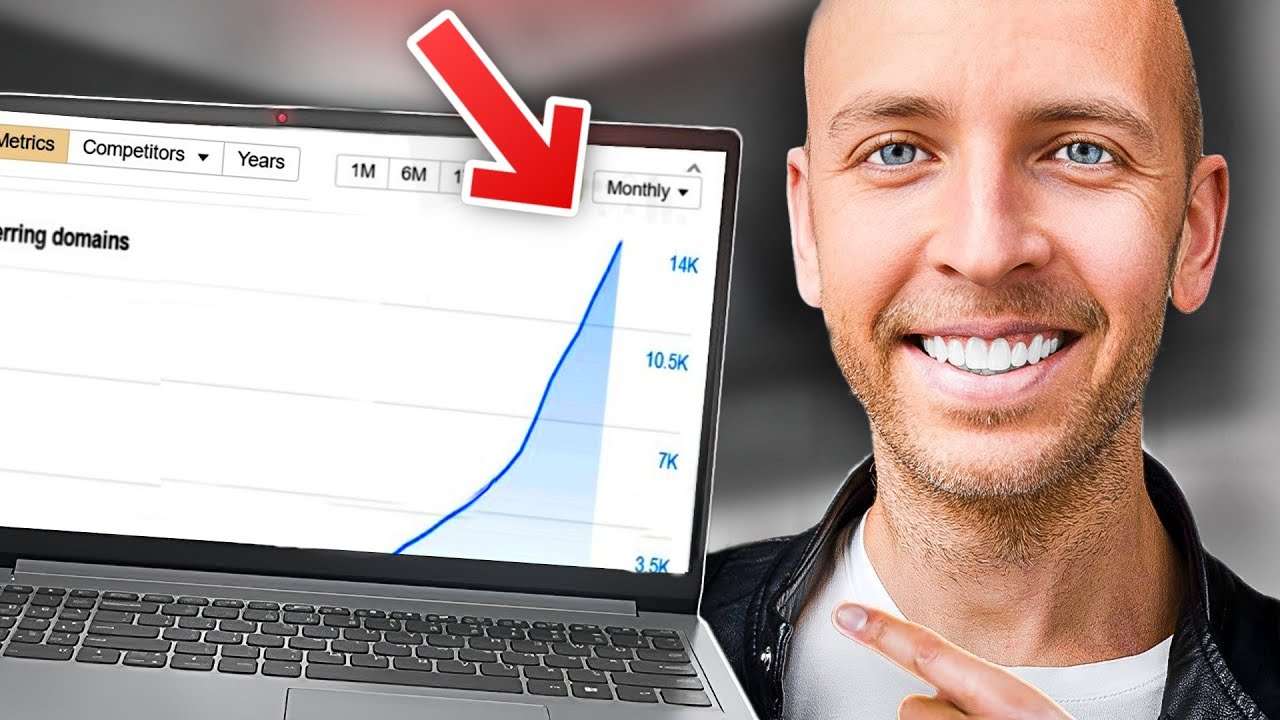
Search engines evaluate backlink growth patterns, not just absolute numbers. A steady curve, 5 new referring domains in month one, 8 in month two, 12 in month three, appears organic and sustainable. A sudden spike, 2 links per month for six months, then 120 links in a single week, invites algorithmic scrutiny, because that pattern matches bulk link purchases more than natural editorial interest.
Safe monthly referring domain growth targets vary by website stage. New websites should aim for 2 to 10 links per month, growing sites 10 to 30 links per month, and established brands 30 to 100+ links per month. The pattern of growth matters more than the absolute numbers, a steady upward trend signals that your content is earning sustained editorial interest, while erratic spikes suggest manipulation.
The one exception to the "avoid spikes" rule is a genuine viral moment or a major PR event. When a research report gets picked up by a tier-one publication or an interactive tool goes viral on social media, search engines recognize the spike as legitimate because it is accompanied by corresponding spikes in direct traffic, social shares, and brand searches. The difference between a natural spike and a purchased spike is the presence of those corroborating signals.
For a deeper look at safe link velocity patterns and how to structure a white-hat link building program from the ground up, see our beginner's link building guide for seo services.

Optimizing Assets for Retention and Reuse
The easier your content is to scan, reference, and embed, the more it will be linked to. Invest in strong visual hierarchy, clear section headings, numbered lists, and bold callouts that let readers find the specific data point or insight they need in under 30 seconds. Embed charts, stat blocks, or process diagrams directly in the page so other writers can screenshot or cite them without leaving your site.
Create standalone graphics or downloadable visuals that others can embed in their own articles with attribution. A well-designed infographic with your logo and URL in the footer becomes a portable backlink generator, because every site that embeds it links back to the source. The same principle applies to interactive tools, calculators, frameworks, and editable templates, practical utility is one of the strongest incentives for organic backlinks.
If a concept can be turned into something interactive, do it. Transform a strategy outline into a customizable spreadsheet template or a diagnostic framework into a simple web-based calculator. Tools and templates earn links because they provide immediate value that static content cannot match, and they remain relevant long after the initial publish date.
Measuring What Matters: Metrics That Indicate Distribution Success
Track four core metrics to evaluate whether your distribution engine is working: backlink count (how many referring domains link to your asset), user engagement (time on page, bounce rate, return visits), search performance (organic rankings for targeted keywords), and traffic volume (direct and referral traffic to the asset).
High social share counts imply that audiences find the content engaging enough to share, and organic search rankings reflect the performance of the content in search engine results. Monitoring the ranks for targeted keywords helps ensure assets are optimized for SEO. Tracking time on page for new versus returning visitors shows both audience loyalty and content interest levels.
In our campaigns, we have found that the most reliable leading indicator of long-term backlink growth is engagement depth, the percentage of visitors who scroll past the halfway point and spend more than two minutes on the page. Assets with high engagement depth earn more backlinks over time because they signal to both algorithms and human curators that the content is worth citing.
Common Distribution Pitfalls and How to Avoid Them
The most common distribution failure is treating outreach as a one-time event rather than an ongoing process. A single email blast to 200 contacts will generate a handful of links in the first two weeks, then nothing. A systematic outreach program that adds 10 to 20 new qualified contacts per week, follows up with non-responders after 7 days, and tracks which pitches convert will generate a steady stream of backlinks for months.
Another frequent mistake is ignoring the importance of partial-match anchor text strategy. Following recent changes to how search engines use anchor text as a ranking signal, multiple anchor text variations should be prepared for targeted keywords. Exact-match anchors ("white hat link building") are less important than contextual relevance and natural phrasing ("ethical link building strategies" or "how to earn backlinks without paid schemes").
Finally, many teams underestimate the value of repurposing a single asset across multiple formats and channels. A 3,000-word research report can be broken into a 10-slide presentation, a 500-word blog summary, a Twitter thread, an email series, and a podcast script, each format reaching a different audience segment and creating new opportunities for backlinks and citations.
The Long-Term Payoff: Compounding Returns from Evergreen Assets
The best linkable assets continue earning backlinks for years after the initial distribution push, because they become the canonical reference for a topic or dataset. A well-researched industry benchmark report published in 2024 can still be earning 5 to 10 new backlinks per month in 2026 if it remains the most comprehensive or most recent source on that topic.
This compounding effect is why distribution velocity matters more than short-term link count. A steady, sustainable distribution program that earns 15 to 20 backlinks per month for 24 months will outperform a one-time campaign that earns 200 backlinks in month one and zero thereafter, because the steady program builds domain authority incrementally and avoids the algorithmic scrutiny that sudden spikes invite.
In our years building white-hat link programs for agencies and in-house teams, the clients who see the strongest ROI are the ones who treat linkable asset distribution as an ongoing function, not a project with a start and end date, but a repeatable process that turns every new piece of research, every new tool, and every new data update into a predictable stream of editorial backlinks.
Ready to build a distribution engine that earns backlinks without risking your domain authority? Book a free strategy call with the team. We will audit your existing assets, identify the highest-ROI distribution channels for your niche, and show you exactly how to scale white-hat link building without triggering spam filters or violating search engine guidelines.
Further reading: How to Create Linkable Assets That Attract Backlinks Fast; How to Create Linkable Assets That Attract Backlinks Fast.